


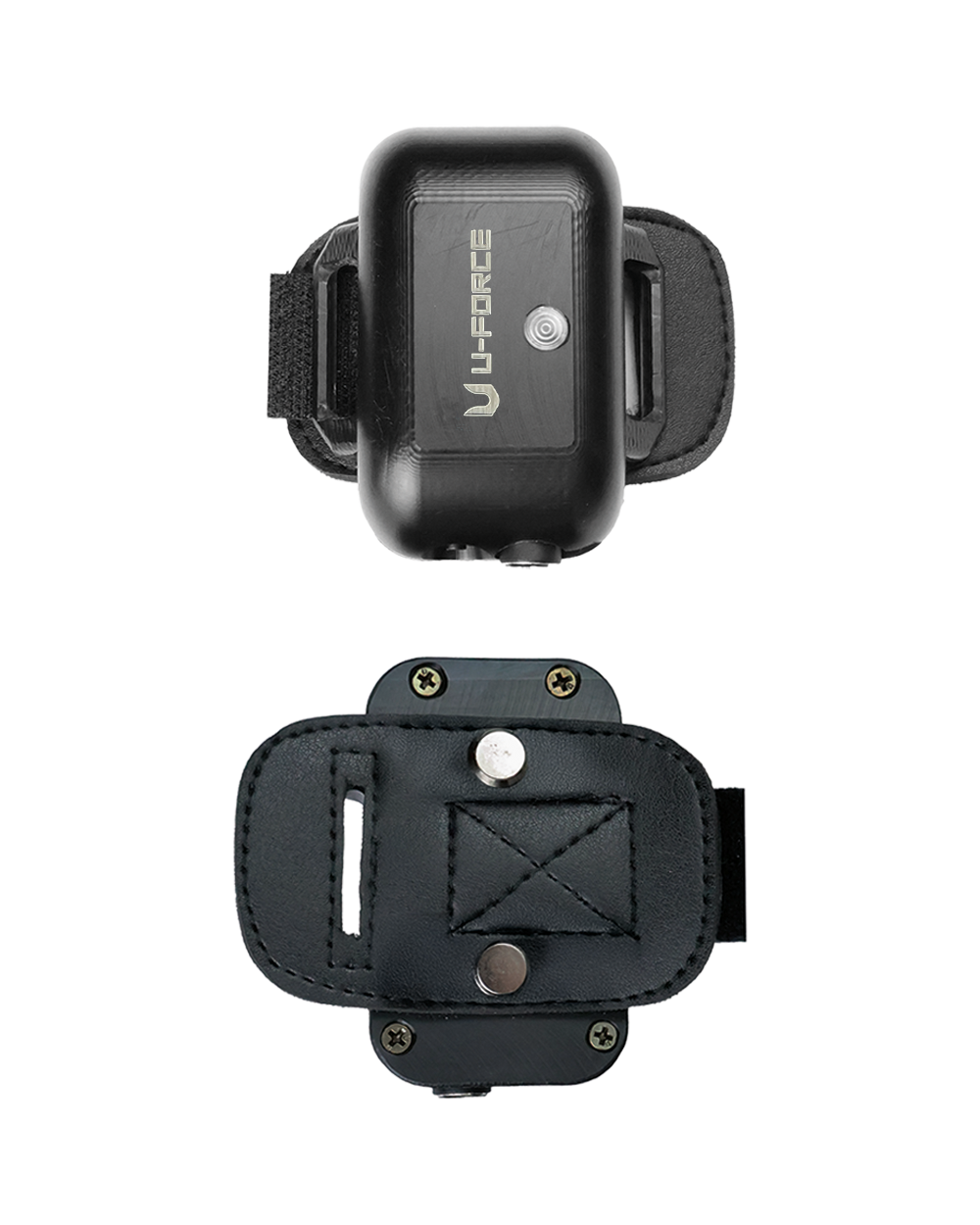
The bracelet receives hit signals and delivers a safe electrical impulse to the soldier’s skin.

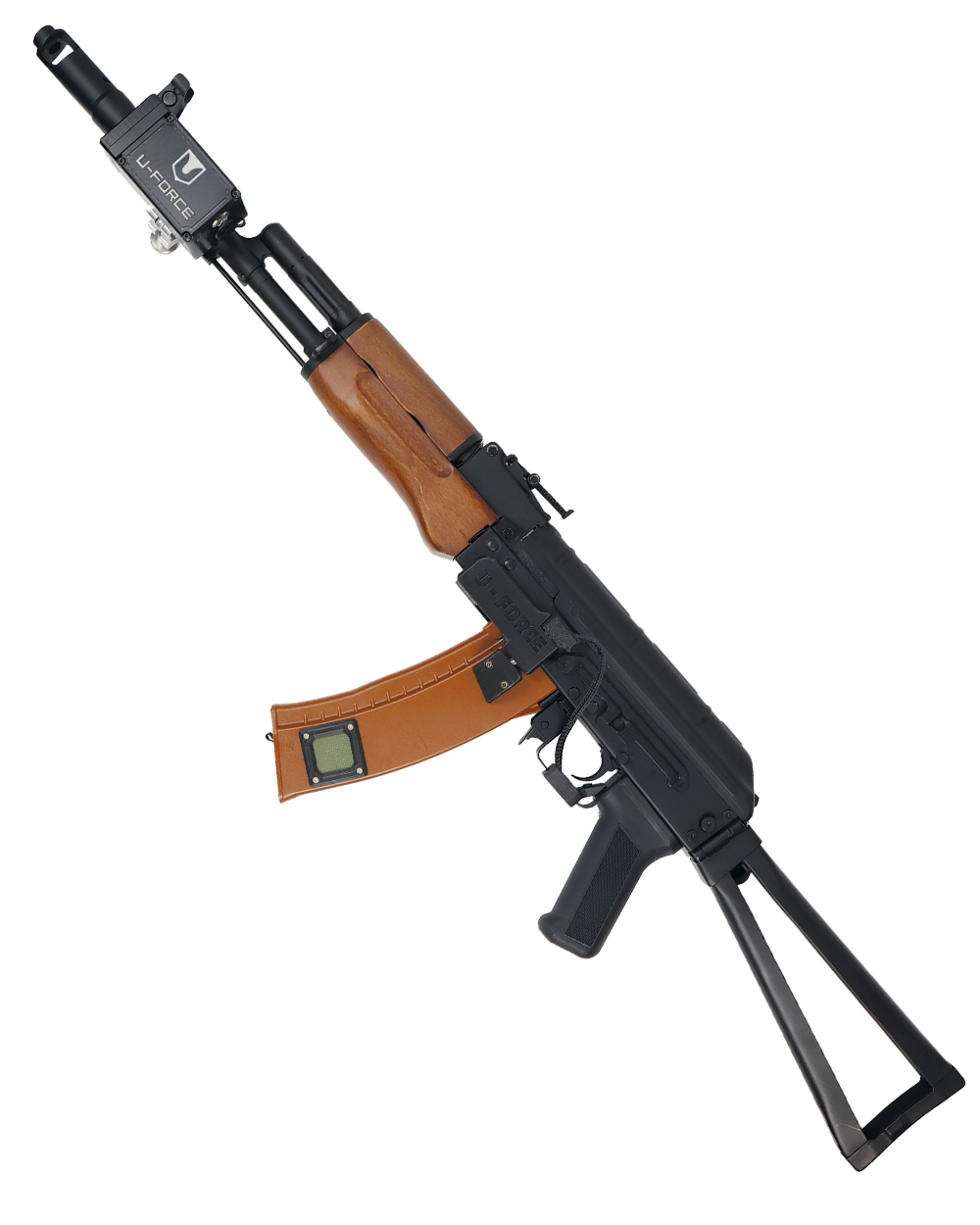
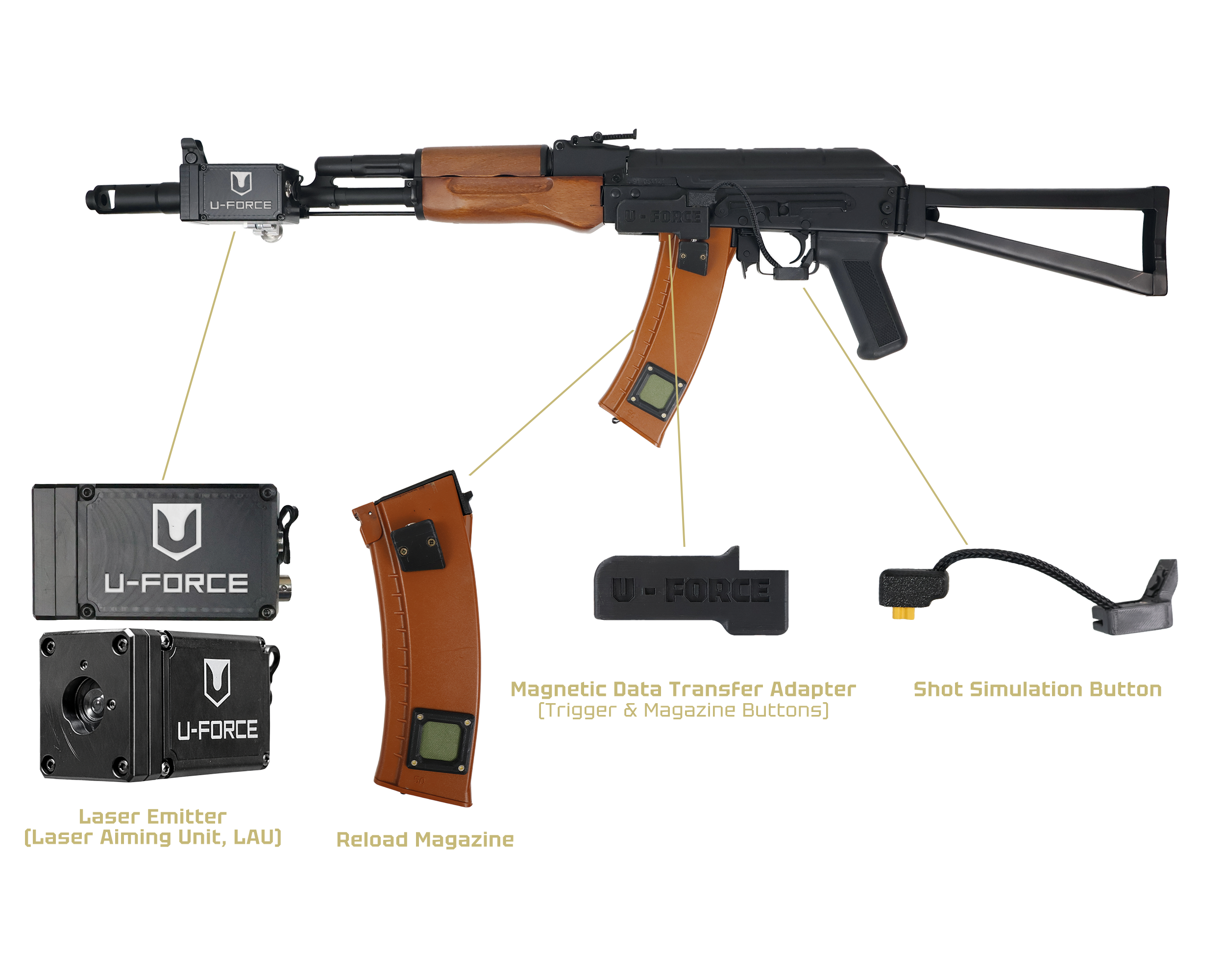
M.I.L.E.S. (LASERTAG) uses laser devices that are attached to firearms, armored vehicles, and soldiers. These laser devices emit pulses of laser light when the weapon is fired, determining the accuracy and effectiveness of each shot. Shot simulation can also occur without the use of blank ammunition, depending on the configuration or type of equipment.

TRAINING OF PERSONNEL in conditions that closely replicate combat, with the aim of improving command and control and conducting combat coordination of the Armed Forces of Ukraine, the National Guard of Ukraine, and other units forming part of the Defense Forces of Ukraine.


Detectors and Sensors
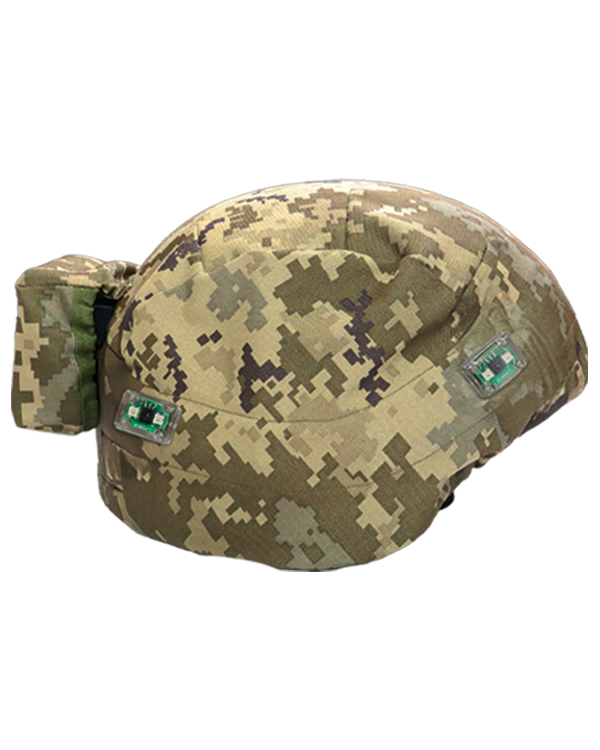
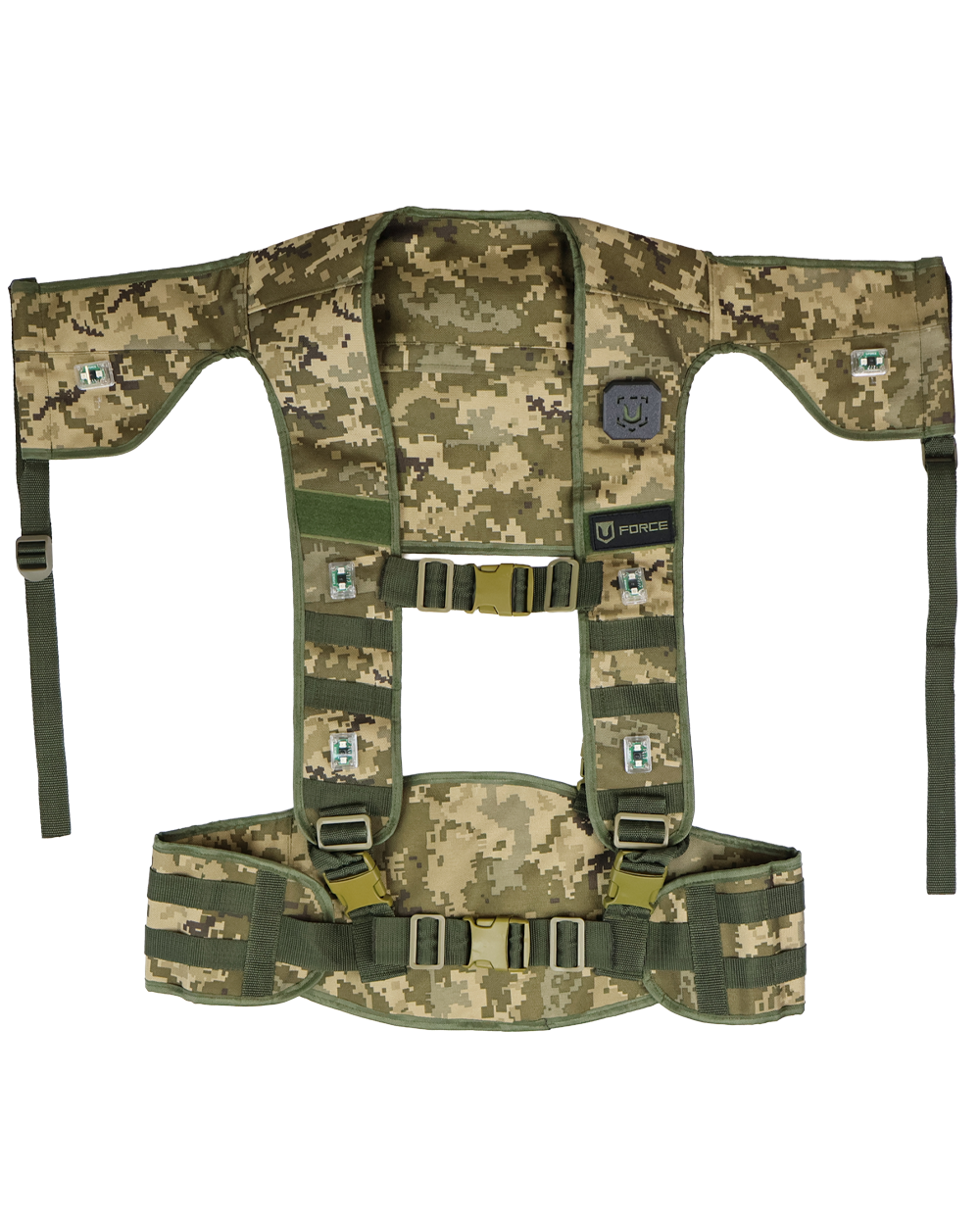
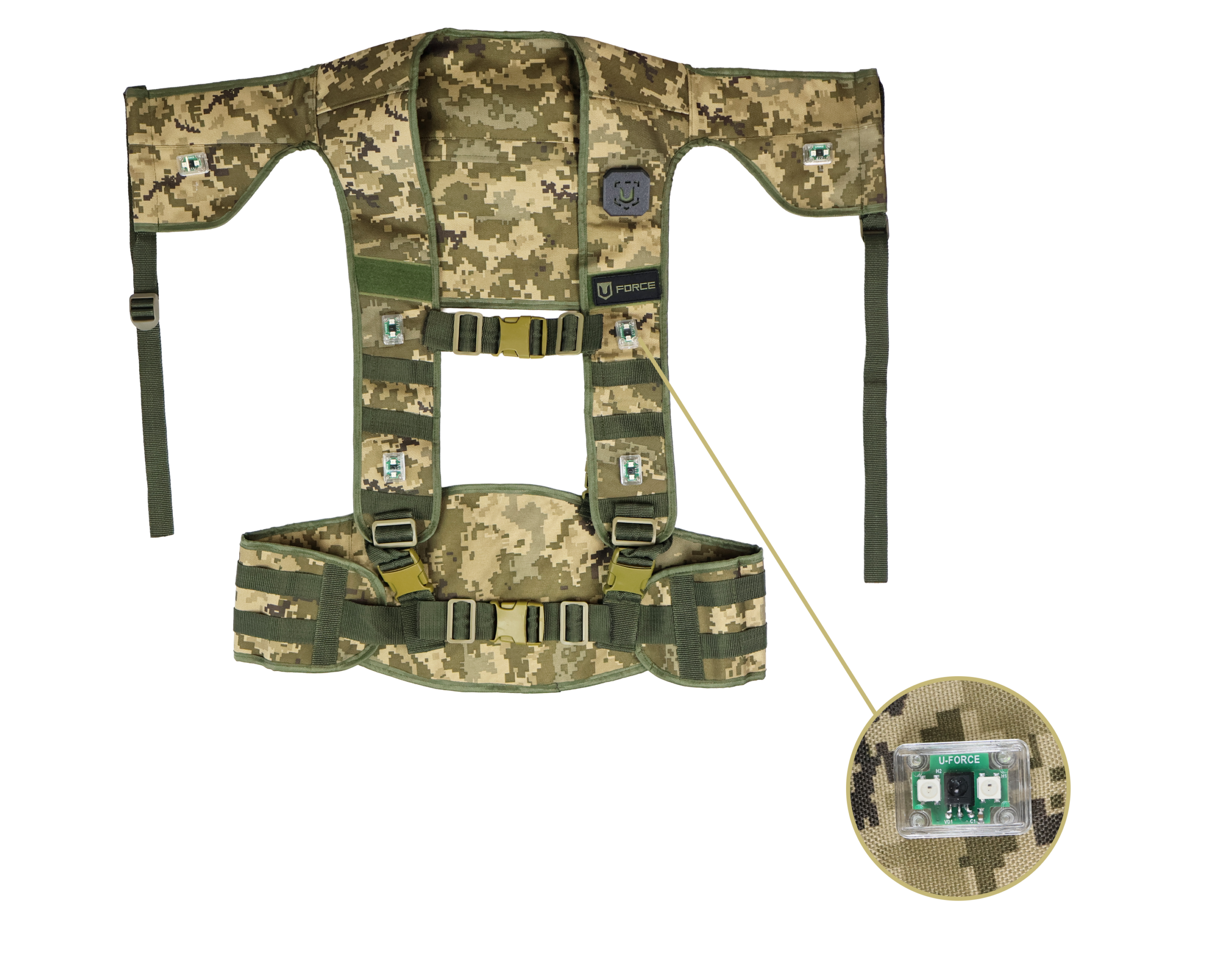
Sensors are mounted on soldiers and objects in the combat environment to register laser hit events and other occurrences on the battlefield.


Detectors and Sensors
Sensors are mounted on soldiers and objects in the combat environment to register laser hit events and other occurrences on the battlefield.
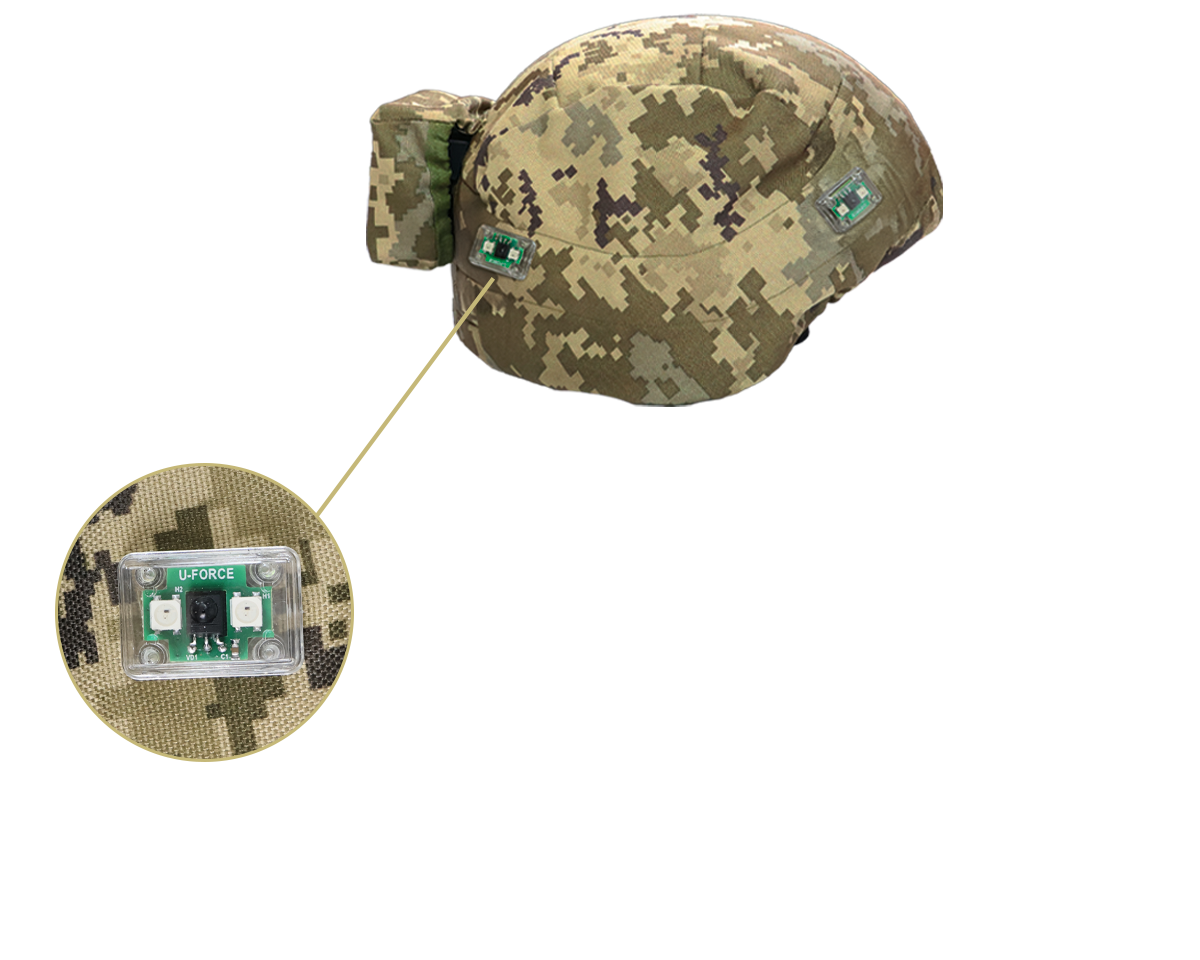
Sensors are mounted on the soldier’s personal helmet cover and vest. Each soldier carries a total of 13 hit‑detection sensors.
Sensors are mounted on the soldier’s personal helmet cover and vest. Each soldier carries a total of 13 hit‑detection sensors.


Integration:
The M.I.L.E.S. system is integrated with a tablet and software that display engagement data, determine outcomes, and provide after‑action analysis.
Training and Simulations:
Using M.I.L.E.S., military personnel can conduct training and combat simulations in real‑world conditions without risk to life or equipment. This helps prepare soldiers for operations in actual combat environments.
Results Analysis:
Collected data can be used to analyze and evaluate training outcomes, identify weaknesses, and improve the skills of military personnel.


